

Plan on wearing a retainer for life. Most patients wear it full time for the first few months after braces come off, then shift to nights only — and keep that nightly habit going, because teeth drift at every age.
That answer surprises people, so here is the reasoning behind it, what the schedule actually looks like month by month, and what to do when a retainer breaks or stops fitting.
Why Do Teeth Move Back After Braces?
Teeth are held in bone by a ligament, and that ligament has memory. After treatment the fibers around each tooth are still under tension and want to pull the tooth toward where it used to sit. Bone needs months to reorganize around the new position.
Relapse is fastest in the first year
The window right after your braces come off is when teeth move most readily. That is exactly why the wear schedule is heaviest at the start and why a few skipped weeks early on cost more than a few skipped weeks two years later.
But it never fully stops
Jaws keep changing through adulthood. Lower front teeth in particular tend to crowd over decades, in people who never had braces as much as in people who did. A retainer is not a sign treatment failed; it is the maintenance that keeps the result.
How Long Do I Wear My Retainer Each Day?
Your exact schedule comes from Dr. Masri and depends on how your teeth moved during treatment. The general shape of it looks like this:
| Stage | Typical wear | What we are watching for |
|---|---|---|
| First few months out of braces | Full time except eating and brushing | Bone settling around the new tooth positions |
| Rest of the first year | Nights, every night | Any early crowding or a bite that shifts |
| Year two and beyond | Nights, indefinitely | Fit — a retainer that still seats easily means nothing has moved |
| If it feels tight after a gap | Call before forcing it | Teeth have already drifted; forcing a retainer can hurt them |
The fit test
A retainer that slides on without pressure means your teeth are where we left them. Mild tightness after a night or two off is normal. Real resistance, or a retainer that will not seat at all, means come in.
Fixed vs. Removable Retainers: Which One Will I Get?
Fixed (bonded) retainers
A thin wire bonded behind the front teeth. It works because it cannot be forgotten, which makes it a common choice for lower front teeth that were significantly crowded. The trade-off is cleaning: you have to thread floss under the wire, the same skill you built during life with braces.
Removable retainers
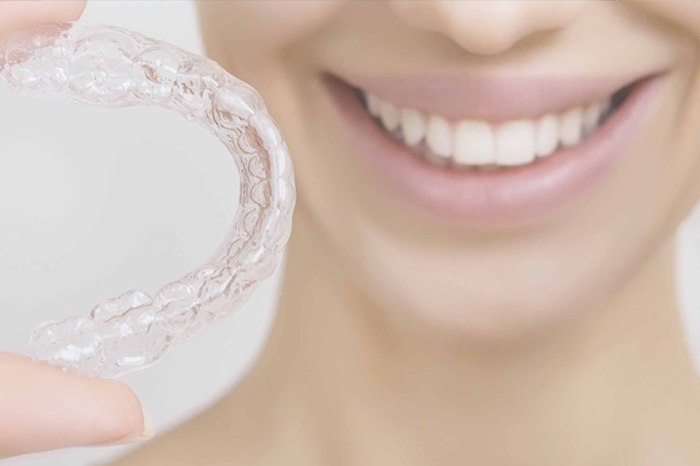
Clear thermoplastic trays or a traditional wire-and-acrylic Hawley. Easier to clean, easier to lose. They only work on the nights they are actually in your mouth.
Often both
Many patients finish with a bonded wire on the lower and a removable retainer on the upper. Our retainer guide walks through care for each type.
How Do I Take Care of a Retainer?
Daily
- Rinse it as soon as you take it out, before saliva dries on it
- Brush it gently with a soft brush and cool water — hot water warps clear retainers
- Skip toothpaste on clear trays; it scratches them cloudy
Storage
In its case, every time. The two places retainers die are a napkin at a restaurant and a backpack side pocket. Dogs also find them irresistible.
Travel and sports
Take the case with you rather than leaving the retainer at home for a week. For contact sports, a retainer is not protection — that is what a proper mouth guard is for.
What If I Lost My Retainer or It Broke?
Call the same week
Not the same month. A replacement made while your teeth are still in position is a simple impression or scan. A replacement made after months of drift can mean limited re-treatment first. Reach us at (734) 261-8860 or through our contact page.
A broken bonded wire
If you feel a wire lifting behind your teeth, that is an orthodontic emergency visit — not urgent care, but an appointment rather than a wait-and-see. A partially loose bonded retainer can let individual teeth move while the rest stay put.
An old retainer that no longer fits
Do not force it. Bring it in. Depending on how far things have moved, the fix ranges from a new retainer to a short round of aligners — a conversation worth having at a complimentary consultation.
What Does the First Week Without Braces Feel Like?
Your teeth will feel strange, and that is normal
After months of constant gentle pressure, teeth often feel slightly loose the week the braces come off. The ligament around each tooth is still remodeling. It firms up over the following weeks provided the retainer is doing its job.
A retainer that feels tight on day one
Slight snugness the first few nights is expected, especially with a clear retainer made from a scan taken the same day. Pain is not. If it hurts to seat, stop and call us rather than pushing it into place.
Getting the habit to stick
The patients who never have a relapse problem are the ones who attach the retainer to an existing routine — it goes in when the toothbrush goes down. Leaving the case on the nightstand instead of in a drawer does more for compliance than any reminder app.
How Long Do Retainers Last, and When Do They Need Replacing?
Clear retainers wear out
They are plastic under nightly load, so cracks, cloudiness and thinning edges show up eventually. Replacing one on schedule is straightforward; discovering the crack after teeth have shifted is not.
Hawley retainers are more durable
The wire-and-acrylic design tends to last longer and can be adjusted rather than remade, which is part of why we still recommend them for some patients even though clear trays are less visible.
Signs it is time for a new one
- Visible cracks, or a tray that has gone hazy and rough
- A retainer that rocks instead of seating evenly
- A persistent odor that cleaning does not fix
- Any warping — usually from hot water, a car dashboard, or a dishwasher
Bring the old one to your appointment. Comparing the fit tells us whether anything has moved since we last saw you, and our retainer guide covers the care routine that extends the life of whichever type you have.
Do Retainers Ever Move Teeth Back?
A little, sometimes
If a tooth has drifted slightly and your retainer still seats with firm pressure, wearing it consistently can nudge that tooth back toward where it belongs. This is a matter of a fraction of a millimeter, not a rescue plan.
Where the limit is
Once a retainer will not seat fully, it stops being a retainer and starts being an appliance that fits badly. Forcing it can tip teeth in ways nobody planned and can crack the retainer itself. That is the point to call us instead.
What re-treatment usually looks like
For mild relapse, a short course of clear aligners often resolves it in a matter of months, followed by a fresh retainer. Waiting years turns that short course into something closer to full treatment, which is the entire argument for calling early.
Retainers, Wisdom Teeth, and Other Things People Blame
Wisdom teeth are not the usual culprit
Lower front crowding gets blamed on wisdom teeth constantly, but it shows up in people who never developed them at all. Late crowding is mostly ordinary adult jaw change, which is why we keep coming back to nightly wear.
Grinding and clenching
If you grind, tell us. A retainer is not a night guard, and a clencher can chew through a thin clear tray quickly. There are sturdier options, and choosing one at the start beats replacing retainers every few months.
Pregnancy, braces history and general life
Hormonal changes, dental work on neighboring teeth, and gum health all influence how stable teeth are. None of them change the recommendation; they just make the nightly habit matter more. Bring any of it up at your next visit or through our contact page.
Frequently Asked Questions
Can I ever stop wearing my retainer?
We do not recommend stopping. Nightly wear is a small habit compared with the cost and time of re-treatment, and jaws keep changing throughout adulthood.
What happens if I skip a few nights?
Usually nothing dramatic. Put it back in that night. If it feels tight, wear it a bit more until it seats comfortably again. If it will not go in, call us.
Can I whiten my teeth while wearing a retainer?
Talk to us first. Some retainers can hold whitening gel and some absolutely should not, and a bonded wire changes how evenly the result comes out.
Do retainers affect speech?
A removable retainer can cause a slight lisp for the first day or two. It resolves quickly, and reading aloud for a few minutes speeds it up.