



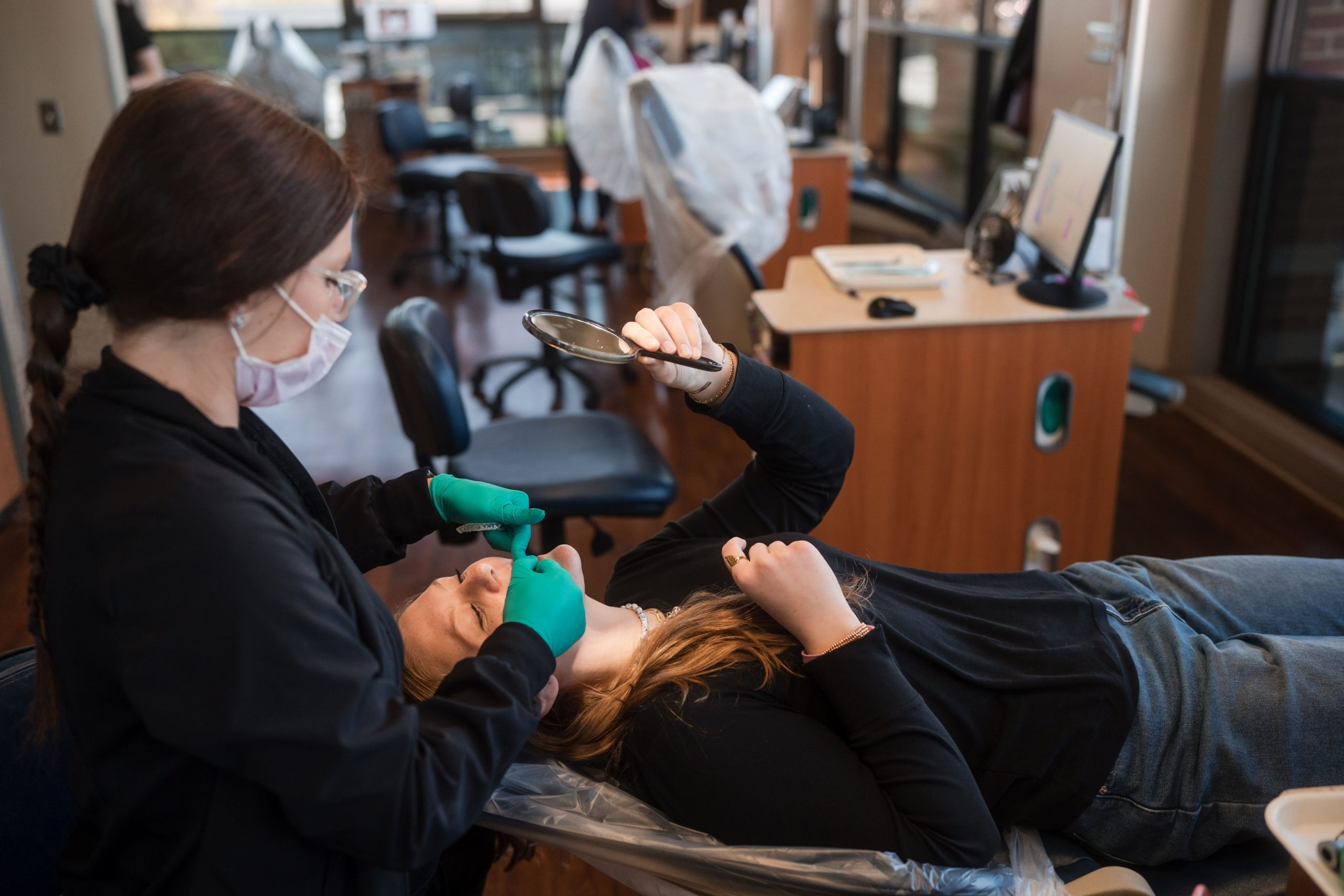
Brava, lingual braces and Invisalign can all straighten teeth without obvious metal on the front of your smile. Brava and lingual braces sit behind the teeth and stay on full time. Invisalign uses clear, removable trays. Your bite and habits decide which fits.
If you have been reading about hidden braces, the names start to blur together quickly. This guide sorts the three options Masri Orthodontics offers into plain terms, then walks through the questions that usually decide the choice for a patient in Livonia or anywhere else in Southeast Michigan.
This short video from Masri Orthodontics introduces Brava, another hidden option at our Livonia office.
What Makes a Brace “Hidden”?
Traditional braces are bonded to the front surfaces of the teeth, which is exactly where people look when you talk and smile. A hidden option avoids that in one of two ways. It either moves the hardware to the back of the teeth, or it replaces brackets and wires with thin clear plastic.
Brava and lingual braces take the first route. Invisalign takes the second. Clear ceramic braces are sometimes grouped with them, but like most types of braces, they still sit on the front of the teeth. They are less noticeable than metal, not invisible.
That difference matters because it changes what you have to do day to day. Appliances behind the teeth work around the clock without any effort from you. Removable trays only work while they are in your mouth.
What Is Brava?
Brava by Brius is a lingual system. The appliance is placed on the tongue side of your teeth, so it stays behind your smile while it works and nothing shows on the front. Masri Orthodontics offers Brava as another option alongside the incognito-type hidden braces and lingual braces the practice has offered for years.
Brava is its own system, not another name for Incognito. Both are hidden behind the teeth, which is why they end up on the same shortlist, but they are separate appliances.
Like the other options here, the appliance is made for your teeth specifically. Dr. Masri, a board-certified orthodontist, plans the treatment and monitors it from start to finish.
How Do Lingual Braces Compare?
Lingual braces are brackets and wires bonded behind the teeth. At Masri Orthodontics the process starts with a scan of your teeth, which becomes a 3D digital model used to design custom brackets. The finished lingual braces arrive in about six weeks and are then cemented in place.
Because they are fixed behind the teeth, lingual braces share the main strengths of Brava: no visible hardware, nothing to put back after meals, and less concern about knocking a bracket loose during contact sports. People who play a wind instrument such as the flute also tend to find hardware behind the teeth easier to work around.
The tradeoff is an adjustment period. Some patients notice that talking or swallowing feels different at first, and that usually passes within about a week.
Lingual braces also come with regular visits. Dr. Masri monitors progress at each appointment, and those visits are a chance to remove any plaque that has built up in the spots behind the teeth that are harder to reach with a toothbrush. Keeping those appointments helps treatment stay on schedule.
Where Does Invisalign Fit In?
Invisalign uses a series of clear aligners, each one moving the teeth a little further. Most Invisalign plans also use small tooth-colored attachments bonded to the teeth to help the trays grip. The system is meant for patients whose permanent teeth are in place.
The big difference is that you take the trays out to eat, brush and floss. That makes meals and cleaning simple, but it also means progress depends on putting them back promptly every time. If you like the idea of clear trays, Invisalign may be the better fit.
How Do the Three Options Compare Side by Side?
Here is a quick summary of how the three hidden options differ on the points patients ask about most.
| Question | Brava | Lingual braces | Invisalign |
|---|---|---|---|
| Where it sits | Tongue side of the teeth | Tongue side of the teeth | Over the teeth, clear plastic |
| Visible from the front? | No | No | Clear trays and any attachments |
| Removable? | No, works full time | No, works full time | Yes, out for meals and brushing |
| Made for you? | Yes, for your teeth | Yes, custom brackets from a 3D model | Yes, a custom series of trays |
| Depends on daily wear habits? | No | No | Yes |
| Getting used to it | Ask Dr. Masri at your consult | Speech or swallowing may feel different at first | Trays feel snug when new |
Which Hidden Option Fits Your Lifestyle?
A few everyday questions do a lot of the sorting before you ever sit in the chair.
Will you wear something removable consistently? If honest reflection says trays would end up in a case on the counter, a fixed option behind the teeth takes that risk off the table.
Do you play contact sports or a wind instrument? Hardware behind the teeth keeps the front of the mouth clear, which many athletes and musicians appreciate.
How important is eating without restrictions? Removable trays come out for meals. With fixed appliances you eat normally, and anything that gets caught sits behind your teeth rather than on display.
Do you have a big event coming up? Lingual braces take about six weeks to arrive after your scan, so it helps to plan ahead if you are working toward a date.
Why Does Your Bite Matter More Than the Appliance?
Lifestyle narrows the list, but your teeth make the final call. The Brava page is direct about this: hidden braces are not the right answer for every case. Some tooth movements suit one appliance better than another, and some bites need options you would not pick on looks alone.
That is why the decision belongs at a consultation, not in a comparison chart. Dr. Masri looks at your bite, explains the options, including Brava, other lingual braces, clear aligners and traditional braces, and tells you honestly which one will get you the result you are after.
How Much Do Hidden Braces Cost?
Fees depend on your treatment plan, so the honest answer is that it varies from one patient to the next. Because each bracket is custom made, lingual braces cost a bit more than traditional braces. The same is true of Incognito braces cost, which depends on the details of your plan.
The practice offers financial options and help with dental insurance. You can review the payment options ahead of time, and your exact fee is discussed at your complimentary consultation.
Frequently Asked Questions
Is Brava the same as Incognito?
No. Both sit behind the teeth, but Brava by Brius is a separate system. Masri Orthodontics offers Brava as another hidden option alongside the Incognito-type and lingual braces it already provides.
Can anyone see braces that sit behind the teeth?
From the front, no. Someone would have to look inside your mouth to notice them, which is why patients often choose them for work, school and photos.
Can I start with photos before booking a visit?
Yes. With TeleOrthodontics, you can send three selfies of your teeth by Facebook message, mention you are interested in hidden braces, and Dr. Masri will text or message you back about whether treatment looks right for you.
Are hidden braces only for adults?
No. Teens with their permanent teeth often ask about them too. Dr. Masri can tell you at an exam whether a hidden option suits a younger patient’s bite.
Find Your Hidden Braces Option in Livonia
Dr. Nawaf Masri has treated patients across Southeast Michigan for more than 26 years from our Levan Road office in Livonia. If you want straighter teeth without visible braces, the next step is seeing which hidden option suits your bite. Request a complimentary consultation or call us at (734) 261-8860.